


Why Your Acne Keeps Coming Back in the Same Spot

Updated: May 21
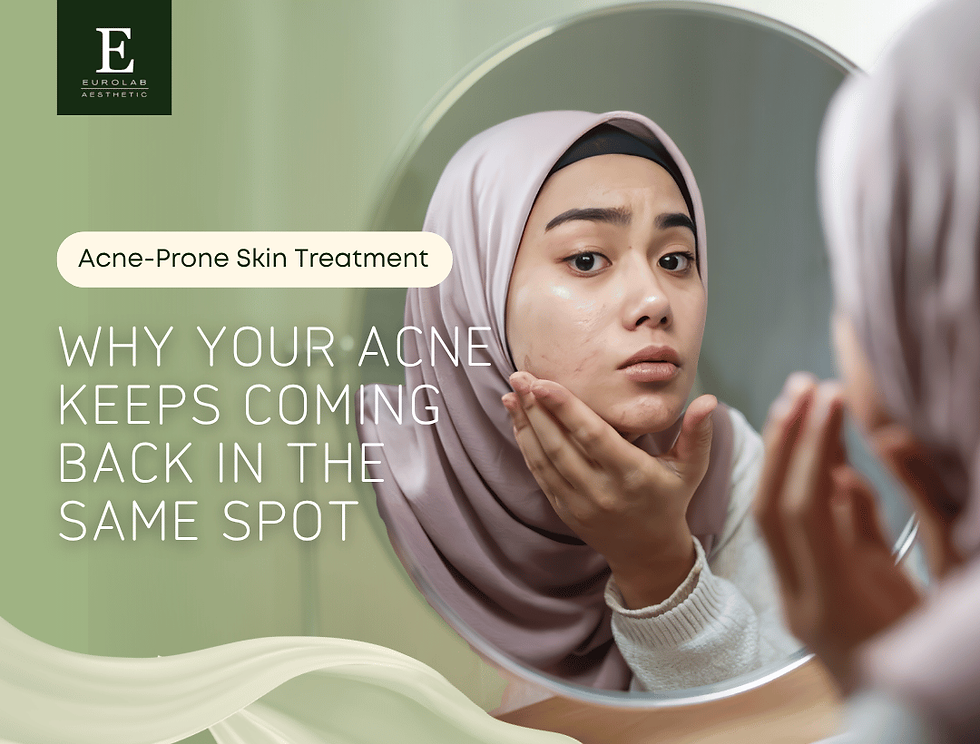
Many people notice the same frustrating pattern with acne. A breakout heals, the skin starts improving, and then another pimple appears in almost the exact same area again. This often happens around the chin, jawline, cheeks, forehead, or nose.
It can feel confusing, especially when skincare products are already being used consistently. Some people even wonder if the acne ever truly disappeared in the first place.
Recurring acne in the same spot is actually very common, and it usually happens because the deeper cause of the congestion has not been fully addressed. The visible pimple may heal on the surface, but irritation or blockage underneath the skin can remain active.
Why does acne return in the same spot?
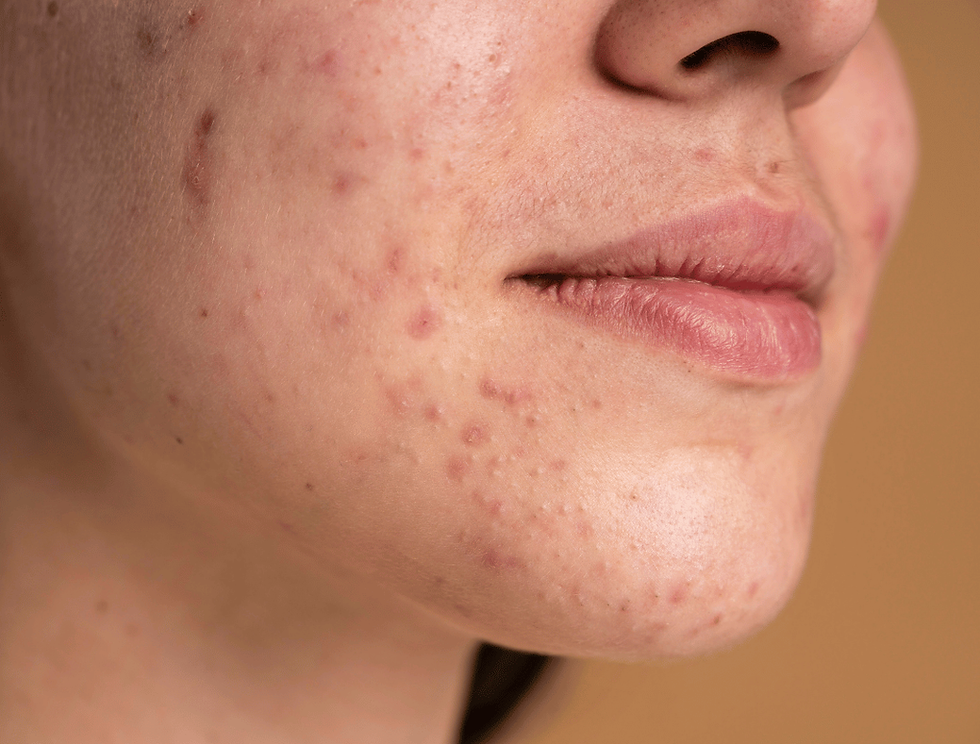
1. The pore may still be clogged underneath
One of the most common reasons is that the pore was never fully cleared.
When oil, dead skin cells, and bacteria remain trapped under the skin, inflammation can return repeatedly in the same area.
The surface may look healed temporarily, but deeper congestion can still remain underneath. This is why recurring acne often appears:
on the same pore
near previous acne spots
in clusters around one area
2. Excess oil production keeps triggering congestion
Certain areas of the face naturally produce more oil than others.
Common areas include:
nose
forehead
chin
jawline
When oil production stays high, pores clog more easily, especially in Singapore’s humid weather. This repeated build-up can cause acne to return to the same locations over time.
3. Touching or friction may irritate the same area
Daily habits can also affect recurring acne.
Constant friction or contact from:
masks
phones
pillowcases
hands touching the face
hijab friction around the jawline
can repeatedly irritate the skin and contribute to inflammation in the same spots.
4. Hormonal changes often affect specific areas
Hormonal acne tends to appear repeatedly in similar zones, especially:
chin
jawline
lower cheeks
This is because hormones influence oil production beneath the skin. Even when one breakout heals, the same area may remain more acne-prone during future hormonal fluctuations.
5. Dead skin build-up prevents proper skin renewal
When dead skin cells collect on the surface, pores become blocked more easily. This creates an environment where recurring acne can form repeatedly. Without proper exfoliation or deep cleansing, the cycle often continues.
Why recurring acne sometimes leaves marks behind
Repeated inflammation in the same area can weaken the skin over time.
This often leads to:
dark acne marks
uneven texture
roughness
enlarged pores
The longer recurring acne continues, the higher the chance of lingering marks after the breakout heals.
Why skincare alone may not fully solve recurring acne

Home skincare helps maintain the skin daily, but recurring acne sometimes requires deeper support.
This is because:
congestion may sit deeper inside pores
skin renewal may be slower
excess oil may continue building up
Applying more products does not always solve the root issue.
Sometimes the skin needs:
professional deep cleansing
controlled exfoliation
hydration balancing
pore care support
How professional facial treatment may help recurring acne
Professional facial care focuses on clearing congestion more thoroughly while supporting healthier skin balance.
This may help:
reduce trapped impurities
improve pore cleanliness
support smoother skin texture
calm inflamed areas
Regular maintenance often helps prevent recurring blockage from building up again too quickly.
How Eurolab Aesthetic treatments may help
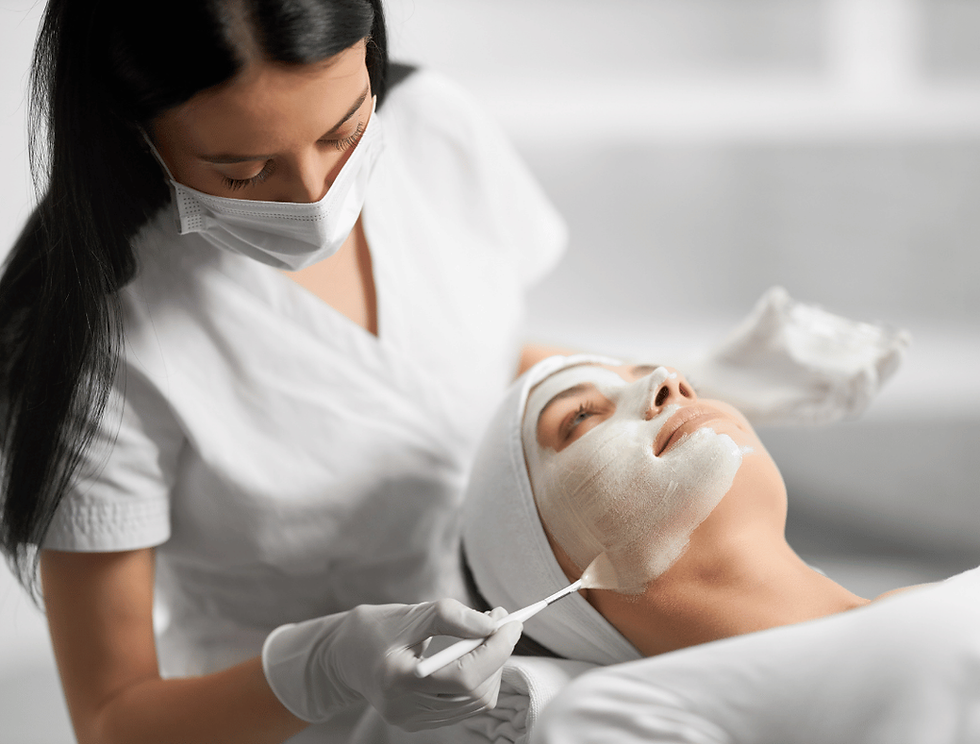
At Eurolab Aesthetic, facial treatments are customised according to the skin’s condition rather than following one standard approach.
For recurring acne, treatment may focus on:
deep cleansing
extraction care
hydration balance
gentle exfoliation
skin renewal support
Professional assessment helps identify whether the acne is linked to congestion, oil imbalance, irritation, or recurring inflammation.
Small habits that may help reduce recurring acne
Besides treatment, simple daily habits may also support clearer skin:
avoid touching the face often
cleanse makeup and sunscreen properly
change pillowcases regularly
avoid over-scrubbing the skin
keep the skin hydrated
Consistency is important because acne often develops gradually over time.
Conclusion
Acne that keeps returning in the same spot usually means the skin is dealing with ongoing congestion, irritation, or imbalance beneath the surface. Treating only the visible pimple may not fully stop the cycle from repeating.
With proper skin support, recurring acne can often become easier to manage while helping the skin look calmer and healthier over time.
Learn more about facial treatments for congested and acne-prone skin here: 👉 https://www.eurolabaesthetic.com/aesthetic-face-treatments
Sometimes recurring acne is not about the skin failing to heal, but about the skin needing deeper care beneath the surface.


Comments